A new briefing from Norwegian nonprofit KlimaKultur finds that Norwegian oil giant Equinor’s fossil fuel business since 2018 will cause between 260,000 to 450,000 additional deaths and that fossil fuels sold by Equinor in 2025 alone will bring about between 34,000 and 58,000 additional human deaths compared to a world in which they were never burned. The briefing is based on data from a 2025 attribution study published in the journal Nature, which found that climate change made 213 historical heatwaves reported over 2000–2023 more likely and more intense, and mapped the role of the 180 carbon majors to those events.
The KlimaKultur briefing, written by energy analyst Ketan Joshi, was released during the organization’s annual “PetrogandaFest,” this year staged as a counter-event to the biannual Offshore Northern Seas global energy industry event held in Norway’s oil capital, Stavanger. Joshi notes that the death toll is rising alongside windfall profits for Equinor and its largest shareholder: the government of Norway.
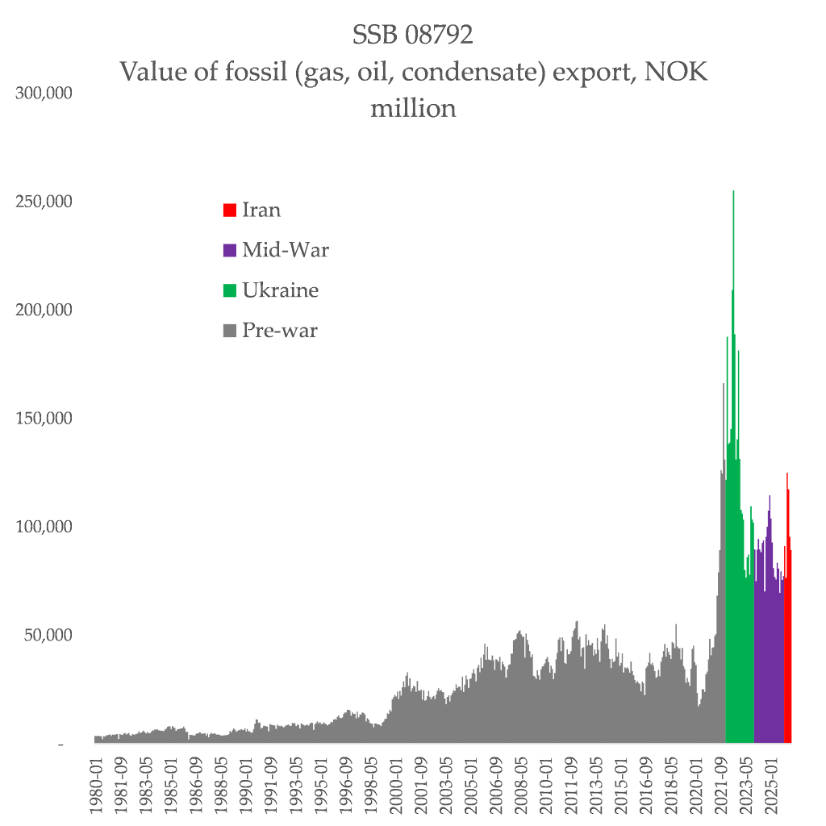
While global headlines have tended to focus on Russia’s war on Ukraine as a boon for the U.S. fossil fuel industry—and it has been—Europe spent about as much on Norwegian oil and gas over the past decade, creating an awkward situation in which Norway was benefiting as the rest of Europe suffered price hikes and unstable energy. “Norway’s fossil fuel revenue has grown significantly this decade, as the flipside of cripplingly high energy prices and unaffordability for end users,” Joshi writes.
Of the Nature study, he notes: “Nearly a quarter of those heatwaves could have been caused solely by Equinor’s own emissions, if no other company had existed.”
That doesn’t include the many investments the oil-funded Norwegian sovereign wealth fund has in other oil majors. While Norway often takes an ends-justify-the-means approach to the oil business, pointing to all the good it does with its oil money both in Norway and abroad, and to its investments in making Equinor the most “eco-friendly” oil company in the world, Joshi points out that business as usual could ultimately cost the country billions.
Calculating the social cost of carbon as $258 per metric ton—a new estimate from the Columbia Climate School to now include mortality rates—Joshi writes that “since 2018, Equinor has made nearly $67 billion USD in net income. But the use of the products they sold to earn that cash will cause $516 billion worth of damage, when you account for the real harms.”
As Stavanger hosts the global energy conference ONS 2026, this year with the theme “Courage,” KlimaKultur is urging Norwegians to think about “the real moral imperative” here. Equinor and the Norwegian government have in recent years emphasized their ethical responsibility to supply ever more oil and gas to Europe in the name of “energy security,” but what of the instability and health harms caused by unchecked climate change?